17 June 2026
Vitamin B12 and Hair Loss: Could This Be Affecting Your Hair?
If your hair has been shedding more than usual, feeling weaker, or not growing as it once did, it can be frustrating and concerning.
At Hove Hair Clinic, we often see clients searching for answers to ongoing hair thinning and excessive shedding. While factors such as hormones, stress and scalp health can all play a role, nutritional deficiencies are another important piece of the puzzle.
Vitamin B12 is one of those essential nutrients that can quietly influence both your overall wellbeing and your hair health. When levels become depleted, the impact may not be immediately obvious, but over time it can contribute to changes in hair growth, hair quality and scalp health.
In this second article in our Hair Nutrition & Scalp Health Series, we explore how Vitamin B12 may affect hair growth, the signs of deficiency, and why testing is important before considering supplements.
Key Takeaways
- Vitamin B12 plays an important role in healthy hair growth and cellular function
- Low Vitamin B12 levels may contribute to hair thinning and excessive shedding
- Deficiency is more common than many people realise, particularly in older adults and those following plant-based diets
- Hair changes may occur alongside symptoms such as fatigue, brain fog and low energy
- Blood testing is essential before taking supplements
- Supporting scalp health and overall nutrition may help improve long-term hair quality
Why Vitamin B12 Matters for Hair Growth
Vitamin B12 plays an important role in several processes throughout the body, including:
- Red blood cell production
- Oxygen delivery around the body
- Healthy cell renewal
- Energy production
- Nervous system function
Hair follicles are among the most active cells in the body and require a steady supply of oxygen and nutrients to function effectively.
When Vitamin B12 levels are low, oxygen delivery and cellular activity may become less efficient, potentially affecting the normal hair growth cycle.
How Low Vitamin B12 Levels Can Affect Hair Loss and Hair Thinning
Vitamin B12 deficiency does not always present obvious symptoms straight away.
For many people, changes in their hair may be one of the earliest signs that something is out of balance.
You may notice:
- Increased hair shedding
- Slower hair growth
- Hair feeling finer or weaker
- Reduced density and volume
- Hair thinning through the top of the scalp
- Hair appearing less healthy overall
While Vitamin B12 deficiency is rarely the sole cause of hair loss, it can be a contributing factor, particularly when combined with other nutritional deficiencies or scalp health concerns.
How Common Is Vitamin B12 Deficiency?
Vitamin B12 deficiency is more common than many people realise. Research suggests:
- Around 6% of adults under the age of 60 may be deficient
- This increases to approximately 20% in adults over 60
- Deficiency is more common among vegetarians and vegans
- Certain digestive conditions can increase the risk of deficiency
Because symptoms often develop gradually, many people remain unaware that their levels are low until they begin experiencing noticeable changes.
Common Causes of Low Vitamin B12 Levels
There are several reasons Vitamin B12 levels may become depleted. Common causes include:
- Low dietary intake
- Vegetarian or vegan diets without adequate supplementation
- Reduced absorption in the digestive system
- Certain medications
- Age-related changes affecting absorption
- Digestive conditions such as coeliac disease or Crohn’s disease
Identifying the underlying cause is important when addressing hair thinning and supporting long-term scalp health.
Signs Your Vitamin B12 Levels May Be Low
Hair changes are often only one part of the picture. Other symptoms may include:
- Fatigue or low energy
- Brain fog or difficulty concentrating
- Tingling or numbness in the hands and feet
- Low mood
- Weakness
- Poor memory
If these symptoms occur alongside increased shedding or hair thinning, it may be worth discussing blood testing with your GP or healthcare professional.
Why Testing Matters Before Taking Supplements
Vitamin B12 deficiency should never be assumed. The only way to know whether your levels are low is through appropriate testing.
At Hove Hair Clinic, we encourage clients experiencing ongoing hair loss or hair thinning to seek professional advice and investigate any potential underlying nutritional deficiencies.
Testing helps ensure that any treatment plan is based on accurate information rather than guesswork.
How to Support Healthy Vitamin B12 Levels
If testing confirms a deficiency, there are several ways to support healthy Vitamin B12 levels, such as:
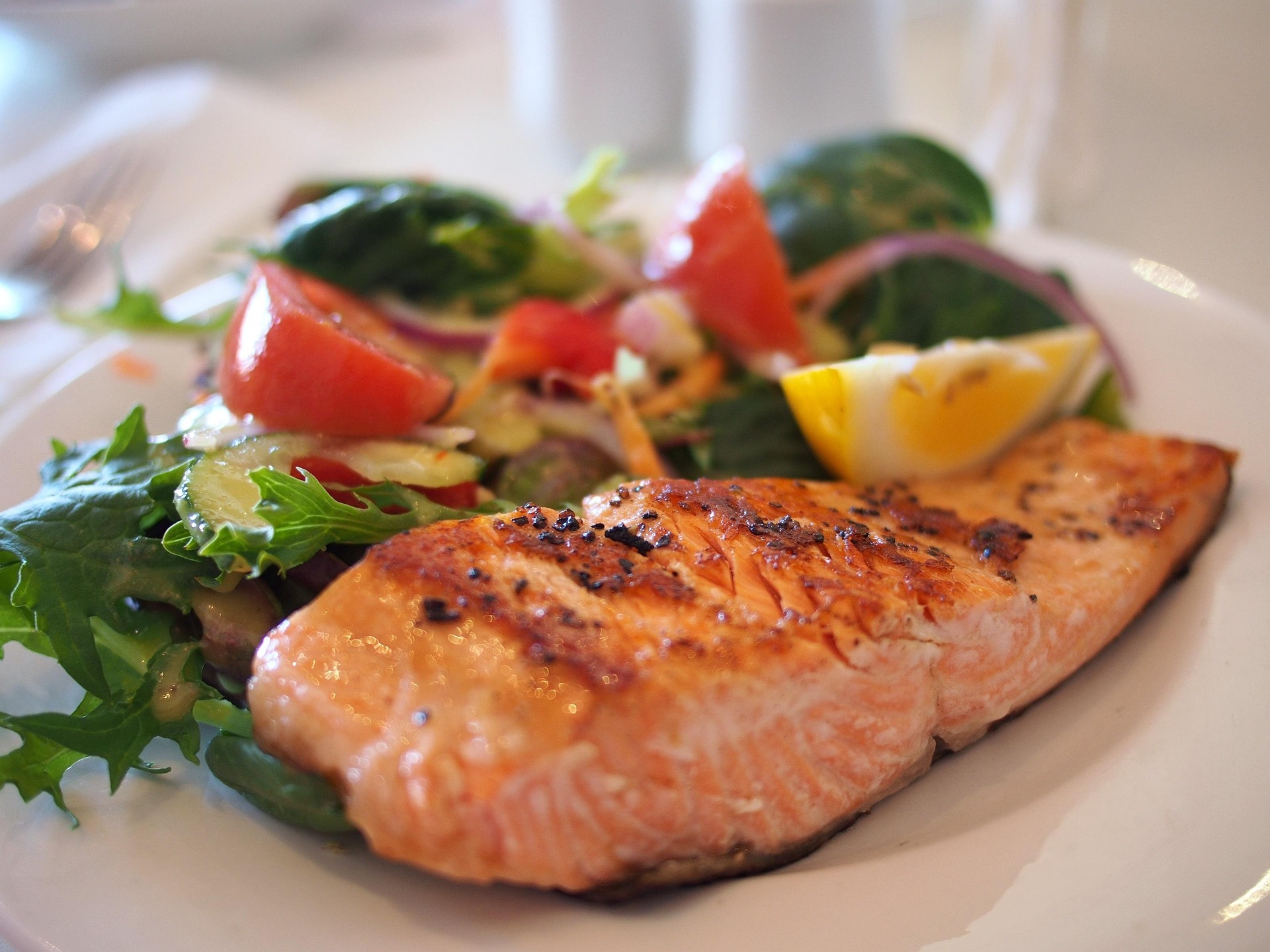
- Eating B12-rich foods such as meat, fish, eggs and dairy products
- Taking supplements if recommended by a healthcare professional
- Addressing any underlying digestive or absorption issues
- Supporting overall nutritional health
- Maintaining consistency over time
Healthy hair growth often depends on a combination of internal wellbeing, balanced nutrition and good scalp health. Read our Nourish to Flourish blog post for more!
What Happens to Hair Growth When Vitamin B12 Levels Improve?
As Vitamin B12 levels improve, many people notice positive changes in both their hair and overall wellbeing. Potential improvements can be:
- Reduced hair shedding
- Improved hair strength
- Better overall hair quality
- Increased energy levels
- Healthier scalp condition
Because hair grows in cycles, visible improvements can take time, so patience and consistency are important.
When to Seek Professional Advice for Hair Loss
Hair loss and hair thinning can have multiple contributing factors, including stress, hormones, inflammation, nutritional deficiencies and scalp conditions. If you are experiencing ongoing shedding, reduced hair density or changes in your hair that concern you, it is worth seeking professional advice.
At Hove Hair Clinic, we take a holistic approach to hair loss treatment and scalp health, helping clients identify possible underlying causes while recommending appropriate hair and scalp treatments where needed.
Part of Our Hair Nutrition & Scalp Health Series
This article forms part of our educational series exploring how nutrition, vitamins and minerals may influence hair growth, scalp health and hair loss.
Other articles in this series include:
- Iron & Ferritin Levels and Hair Loss
- Vitamin D and Hair Loss
- Folate (Vitamin B9) and Hair Growth
- Biotin (Vitamin B7) and Hair Strength
- Zinc and Scalp Health
- Selenium and Hair Support
- Magnesium and Hair Health
- Protein and Hair Structure
- Omega-3 and Scalp Condition
- Collagen and Hair Strength
- Nutrient Absorption and Hair Health
Frequently Asked Questions About Vitamin B12 and Hair Loss
A few questions we often hear about Vitamin B12 and hair loss. If your question is not here, please give us a call on 01273 711140 or book an appointment and come and see us!
Can Vitamin B12 deficiency cause grey hair?
Some research suggests prolonged Vitamin B12 deficiency may contribute to premature greying in certain individuals, although many factors influence hair pigmentation.
Are vegetarians and vegans more at risk of Vitamin B12 deficiency?
Yes. Because Vitamin B12 is found primarily in animal products, people following vegetarian or vegan diets may require fortified foods or supplements to maintain healthy levels.
Can stress reduce Vitamin B12 levels?
Stress does not directly cause Vitamin B12 deficiency, but prolonged stress can affect eating habits, digestion and overall wellbeing, which may influence nutritional status.
Can low Vitamin B12 affect eyebrow or body hair?
Potentially. Nutritional deficiencies can affect hair growth across the body, not just the scalp, although individual experiences vary.
Should I take Vitamin B12 supplements if my hair is shedding?
Not without testing first. Hair loss has many possible causes, and supplementation should always be guided by confirmed deficiency and professional advice.