23 November 2026
Omega 3 and Hair Loss: Supporting Scalp Health from Within
Omega 3 and Hair Loss: Supporting Scalp Health from Within
Part 10 of Our Hair Nutrition & Scalp Health Series
When your scalp feels out of balance, your hair often follows. If your scalp has felt dry, irritated, flaky, or even overly oily, it can have a direct impact on how your hair looks, feels, and behaves.
Because healthy hair starts with a healthy scalp. Omega-3 fatty acids are essential fats that play a key role in supporting scalp hydration, reducing localised inflammation, and improving overall hair condition from within.
In this tenth article in our Hair Nutrition & Scalp Health Series, we explore why omega-3 matters for scalp health, how modern diets can create an inflammatory imbalance, and simple ways to support your hair naturally.
Key Takeaways about Omega 3 and Hair Health
- Omega-3 fatty acids support scalp hydration, calm inflammation, and nourish hair follicles.
- Because the body cannot produce omega-3 on its own, it must be obtained consistently through diet or supplementation.
- Low omega-3 intake can contribute to a dry, tight, or flaky scalp alongside dull, brittle hair strands.
- Modern Western diets are often overly high in omega-6 relative to omega-3, which can drive low-grade inflammation.
- Balancing healthy fats supports both scalp comfort and long-term hair shine and resilience.
Why Does Omega-3 Matter for Hair and Scalp Health?
Omega-3 fatty acids are vital structural components of cell membranes throughout the body, including the skin of your scalp and your hair follicles. When it comes to hair and scalp health, omega-3 contributes to:
Supporting scalp hydration
- Helping maintain the skin’s natural lipid barrier so the scalp stays supple and comfortable rather than dry or tight.
Reducing inflammation
- Calming micro-inflammation around the hair follicles that can otherwise disrupt healthy growth cycles.
Supporting healthy hair follicles
- Promoting circulation and nutrient delivery to the hair root.
Improving overall hair condition
- Nourishing the hair shaft so strands retain moisture, elasticity, and natural shine.
Your scalp needs the right balance of essential oils and nutrients to create an optimal environment for hair growth - and omega-3 helps maintain that equilibrium.
How Could Low Omega-3 Affect Your Hair?
When your intake of essential fatty acids is low, both the condition of your scalp skin and the texture of your hair strands can suffer. You may notice:
- A dry, tight, itchy, or flaky scalp environment
- Increased scalp sensitivity or mild irritation
- Dull, lacklustre hair that struggles to hold its shine
- Hair strands that feel dry, coarse, or brittle
How Common Is Low Omega-3 Intake?
Many people do not consume enough omega-3 in their everyday diet. You may be surprised to know:
- Oily fish consumption in the UK frequently falls below recommended nutritional guidelines.
- Modern diets tend to be disproportionately higher in omega-6 fatty acids (found in refined vegetable oils and processed foods) than omega-3.
- This omega-6 to omega-3 imbalance can contribute to excess systemic inflammation in the body, which may affect sensitive skin and scalp conditions.
Who Is Most at Risk of Low Omega-3 Levels?
Omega-3 status is heavily influenced by regular dietary habits. You may be more at risk of low levels if you:
- Do not eat oily fish regularly
- Follow a vegetarian or vegan diet without dedicated plant-based or algae omega-3 sources
- Rely heavily on processed or convenience foods
- Follow a strict low-fat diet that restricts healthy dietary fats
- Already experience dry skin, eczema, or inflammatory scalp conditions
Signs You May Need More Omega-3
Hair and scalp changes are often part of a wider picture of essential fatty acid shortfall. You might also notice:
- Dry, rough, or flaky skin elsewhere on the body
- Brittle, peeling, or easily splitting nails
- General skin sensitivity or inflammatory flare-ups
- A general lack of skin glow or physical vitality
Why Balance Matters
Supporting your scalp is not simply about adding isolated nutrients; it is about creating overall balance. Pairing adequate omega-3 intake with a reduction in heavily processed, high-omega-6 foods helps lower inflammatory load across the body and creates a calmer internal environment for hair follicles to thrive.
How to Support Healthy Omega-3 Levels Naturally
If your intake is low, there are straightforward, sustainable ways to support your body:
- Include oily fish
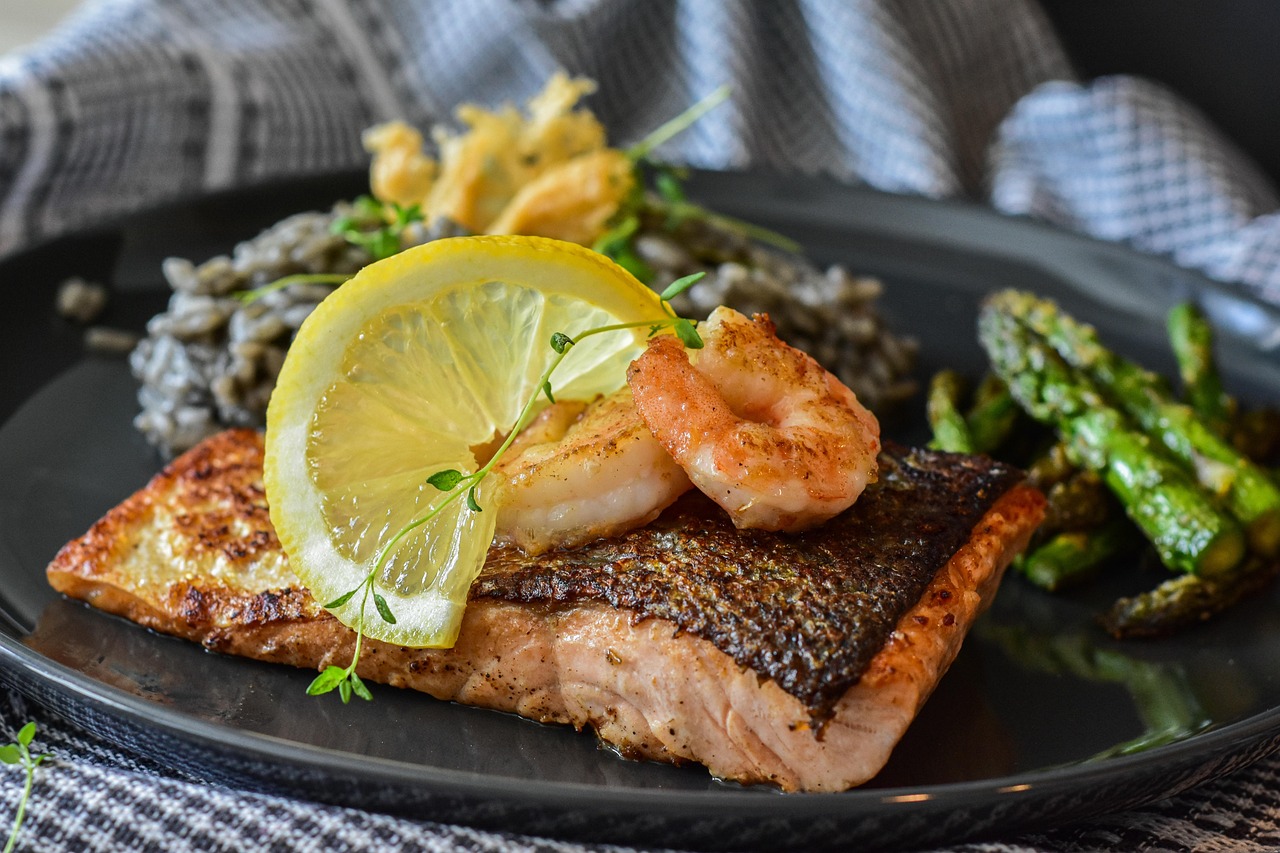
- Aim for one to two portions per week of wild salmon, mackerel, sardines, trout, or herring.
- Add plant-based sources
- Incorporate ground flaxseeds, chia seeds, hemp seeds, and walnuts into breakfasts and salads.
- Consider targeted supplementation
- High-quality fish oil or plant-based marine algae oil (rich in EPA and DHA) can help bridge dietary gaps if advised.
- Focus on whole foods
- Build meals around balanced, minimally processed ingredients.
- Stay consistent
- Essential fatty acids build up gradually in cell membranes over time.
For broader guidance on how whole-body nutrition supports scalp vitality, read our Nourish to Flourish guide.
What Might You Notice As Your Levels Improve?
As your essential fatty acid balance improves, you may notice gradual, welcome shifts:
- A calmer, more hydrated, and comfortable scalp
- Reduced dryness, tightness, or flaking
- Improved natural shine, softness, and manageability
- Healthier-feeling, more resilient hair overall
Part of Our Hair Nutrition & Scalp Health Series
This article is Part 10 of Our Hair Nutrition & Scalp Health Series, exploring how key vitamins, minerals, and essential nutrients influence hair growth and scalp conditions.
If you are exploring potential nutritional factors affecting your hair, you can also read:
Iron & Ferritin Levels and Hair Loss in Women
Folate (Vitamin B9) and Hair Growth
Biotin (Vitamin B7) and Hair Strength
Selenium and Hair Support
Magnesium and Hair Health
As our series concludes, look out for our final upcoming topics:
Collagen and Hair Strength
Nutrient Absorption and Hair Health
Frequently Asked Questions About Omega-3 and Hair Health
What is the difference between plant-based omega-3 (ALA) and marine omega-3 (EPA and DHA)?
Plant foods like flaxseeds, chia seeds, and walnuts contain ALA (alpha-linolenic acid), whereas oily fish and marine algae provide EPA and DHA. While the body can convert small amounts of ALA into active EPA and DHA, this conversion rate is relatively low. If you follow a vegetarian or vegan diet, supplementing with a sustainable microalgae oil is an effective way to get direct EPA and DHA for scalp and hair support.
Can applying omega-3 oils directly to the scalp give the same results as eating them?
Topical oils can temporarily coat the hair shaft to add shine and soften surface dryness on the scalp. However, true scalp hydration and anti-inflammatory support happen from the inside out, as dietary omega-3 fatty acids integrate directly into the cell membranes of your skin and hair follicles. Combining a gentle topical scalp routine with consistent internal nutrition offers the best results.
Why does the ratio between omega-6 and omega-3 matter for scalp inflammation?
Both omega-3 and omega-6 are essential fatty acids, but they play opposite roles in the body: omega-6 promotes necessary inflammatory responses, while omega-3 resolves and calms inflammation. Because modern diets often contain high levels of omega-6 from seed oils and processed snacks, the ratio becomes skewed, leaving the body—and sensitive scalp skin—more prone to chronic dryness and irritation.
How long does it take to notice improvements in scalp comfort and hair shine?
Because skin cells renew roughly every 28 days, many people begin to notice a calmer, less dry or flaky scalp within 4 to 8 weeks of consistently increasing their omega-3 intake. Noticeable improvements in hair shine, softness, and strength along newly grown lengths typically become apparent over 3 to 6 months.